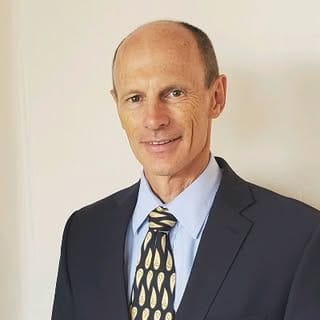
- Following 3.3K
- Followers 19.9K
- Engagement 1.13%
- Avg likes 122
- Avg comments 46
About Hal Cranmer
Hal Cranmer (@assisted_living_hal_cranmer) is a Medical & health creator on Instagram, also filed under Healthcare. The account has 19,866 followers and 1,176 published posts. Recent posts average 122 likes and 46 comments, an engagement rate of 1.13%.
With 19.9K followers, Hal Cranmer is a micro creator by the common 10,000 to 100,000 definition. Hal Cranmer follows 3,279 accounts, so the audience is roughly 6.1 times the size of the list followed. Hal Cranmer uses an Instagram professional account. Flinque files Hal Cranmer under Medical & health, with Healthcare as a secondary category.
The Instagram bio for Hal Cranmer runs to 19 words. Emoji sit alongside the words. The latest activity Flinque has on record for Hal Cranmer dates from May 2026.
Story Highlights
Unlocking shows the title and cover image of every story highlight this creator keeps pinned to the profile.
1,176 Posts
Of the 10 most recent posts shown for Hal Cranmer, 5 are videos, 4 are carousels and 1 is a single image. No single format accounts for most of them. Hal Cranmer has built a substantial archive of 1,176 posts. Against the audience, that is roughly 17 followers for each post published. Hal Cranmer also keeps 2 story highlights on the profile. All 10 carry captions, averaging 120 words each. The captions are written mainly in English. Words that recur across them include full, residents, home, comment and first. The captions tag #functionalmedicine, #stayindependent, #thriveatyourhome and #healthyaging.
They covered unheard of information about Alzheimer's:
- How diabetes can raise Alzheimer's risk by up to 4 fold
- Why 40% of teens are pre-diabetic or diabetic
- The truth about common Alzheimer's drugs
- And more.
(disclaimer: this is for educational purposes and is not medical advice. Always talk to your doctor before making changes to youe diet, medications or health routine)
I own 4 assisted living homes in Arizona, and have seen how they're treated at most facilities.
When I first got into the business, I noticed something that bothered me.
None of the residents were getting better.
They were treated like cardboard boxes at a storage unit, stacked out of the way, forgotten and slowly falling apart inside.
I asked everyone in the industry why no one was trying to improve their health.
The answer I kept getting was, "Well, they're old, so they don't get better."
I thought that was nonsense.
The standard assisted living model includes diaper changes, bingo, showers, three meals a day, and medications managed by outside doctors.
Health improvement is not part of the protocol.
I rejected the model and started cutting sugar, adding trainers, and putting his residents on low-carb diets.
Several residents have moved back home in the decade running it.
The industry built itself on managed decline because nobody told the elderly that recovery was still possible.
The MoCA test scores cognitive function from 0 to 30:
• 26 to 30 is what a healthy person scores
• 18 to 25 is mild cognitive impairment
• Below 18 is moderate to severe impairment
One of my residents came in scoring 15.
Her doctors weren't sure how to help her, so she was placed in my care.
7 months later, she scored a 26, almost back in the normal range.
(individual results do vary - always consult your doctor first)
--
If you'd like to watch the full interview between Mikhaila Fuller and I, comment "INTERVIEW" and I'll DM it
• A CT angiogram with plaque composition analysis to see how much of the plaque in your coronary arteries is what he calls the "soft" dangerous kind versus the stable calcified kind.
• A carotid ultrasound with coronary imaging to confirm if the plaque build-up is in your neck, your heart, or both.
• Genetic testing for ApoE4 (most doctors never test this).
Another test that's useful but not mentioned in the video:
• A DEXA scan for body composition, since visceral fat is one of the most predictive markers for cardiac outcomes.
---
If you'd like to watch the full conversation between Dr. Todd Hurst and I, comment "HURST" and I'll DM it to you immediately.
Assisted living homes do the opposite. Most of them cut costs on meals with processed foods, bulk contracts and whatever's cheapest.
I went the other direction. Nutritious, low-carb, real food.
Here's what happened:
• My labor costs dropped
• My residents got healthier
• They needed less hands-on care
They also stayed longer. There's no empty beds at $5,500/month. And no paying referral agents a full month's rent to fill them.
The "cheap food" approach looks smart until you realize you're paying for it everywhere else—more staff, more turnover, more commissions.
Spending more on food is the best investment I've ever made in my business.
And my residents are thriving because of it.
We covered:
• Why every specialist she tried failed
• Why she finally sent ET to my home
• What we did that no doctor offered them
• The first sign his memory was coming back
• How her son noticed the improvement
• The routine keeping him sharp a year later
• Why this is possible for your loved one too
And much, much more.
This is the power of treating the whole person, not just the diagnosis.
Disclaimer: Individual results vary. Consult with your doctor always.
& I sat down with Dr. Linda Eller, DO and her message is powerful:
She listens.
With a functional medicine approach and concierge care model, she looks beyond symptoms to uncover root causes.
✨ Hormones
✨ Nutrition
✨ Whole-body health
This is about more than medicine…
🏡 It’s about staying independent at home.
🎧 Watch + share
#FunctionalMedicine #StayIndependent #ThriveAtYourHome #HealthyAging
We covered:
- The average resident comes to me on 20-30 medications
- One resident's memory score went from 15 to 26
- Most homes warehouse the elderly until they pass awat
- Cheap food is what most homes serve their residents
- Why gum disease may contribute to dementia
- Why xognitive decline starts decades before the symptoms
- How carnivore appeared to help more than keto in our homes
- How the vegan diet didn't help my residents feel better
This carousel just scratches the surface of what we covered.
If you'd like to watch the complete interview, comment on this post with INTERVIEW and it will be sent to you immediately.
In that time, 9 residents made enough progress to continue their care at home.
People ask what we do differently.
It comes down to 8 protocols:
1) Daily movement
2) Regular sunlight
3) Sense of community
4) Ketogenic diet
5) Red light therapy
6) Exercise with oxygen therapy
7) Sauna
8) Hyperbaric oxygen therapy
You don't need all 8 to start seeing a difference.
The first four can happen in your home starting this week.
PS. Cari (my health coach) and I built an online community to help families implement these protocols at home.
If your parent or spouse has cognitive decline, book a call with us to see if this commubity is right for you.
Link in bio.
The best time to mitigate or even reverse chronic disease is when you first start seeing symptoms or are diagnosed.
That's what motivated us to start an online community to help people or their caregivers change their lifestyles when chronic disease symptoms first start appearing.
If you or one of your family members is in this situation, we would love to help you out. We've teamed up with Dr Phil to promote this community and see if we can work on healing elderly America - not sticking them in a nursing home.
Hal Cranmer's engagement
Hal Cranmer's engagement rate on Instagram is 1.13%, between 1% and 3%, or 1 to 3 likes and comments per 100 followers. On a typical post that comes to about 1 like or comment for every 88 followers. Comments stay close to likes on Hal Cranmer's posts, at 122 likes and 46 comments on average, about 2.7 likes per comment.
Engagement rate
1.13%
- Avg likes
- 122
- Avg comments
- 46
- Interactions : followers
- 1 : 88
Lookalike Creators
A free account lists creators whose audiences behave like this one, ready to shortlist and compare side by side.
Age & Gender
Unlocking shows how this audience splits across age bands and gender, charted from follower data.
Audience Location
Unlocking reveals the countries and cities where the most active followers of this account are concentrated.
Primary Language
Unlocking shows the languages this audience uses most in comments, interactions and the content it consumes.
Audience Interests
Unlocking lists the topics and categories this audience follows and engages with most often across the platform.
Authenticity
Unlocking scores how genuine the audience is, flagging fake, inactive or bot followers found in engagement patterns.
Audience Quality Score
Unlocking gives one overall audience quality score combining authenticity, engagement, follower activity and audience relevance.
Brand Affinity
Unlocking names the brands this audience already follows, mentions or engages with across social platforms.
Content Strategy
Unlocking breaks down the content pillars, tone and visual style this creator uses, and which formats perform best.
Commercial Insights
Unlocking shows collaboration types, an estimated pricing tier and a brand safety risk read for sponsored campaigns.
Industry Fit
Unlocking rates how well this creator and audience align with specific industry verticals and brand categories.
Research Hal Cranmer further
Flinque ranks Instagram creators in Medical & health and Healthcare, categories Hal Cranmer is filed under, and its free tools measure the same figures for any public account.
Related rankings
Frequently asked questions
These answers about Hal Cranmer are generated from the Instagram profile data Flinque holds for the account.
Who is Hal Cranmer?
Hal Cranmer (@assisted_living_hal_cranmer) is a Medical & health creator on Instagram, also filed under Healthcare. Hal Cranmer uses an Instagram professional account. The Instagram bio for Hal Cranmer runs to 19 words.
How many followers does Hal Cranmer have?
Hal Cranmer has 19,866 followers on Instagram (19.9K). Hal Cranmer follows 3,279 accounts, so the audience is roughly 6.1 times the size of the list followed. Hal Cranmer has built a substantial archive of 1,176 posts.
What is Hal Cranmer's engagement rate?
Hal Cranmer's engagement rate on Instagram is 1.13%, between 1% and 3%, or 1 to 3 likes and comments per 100 followers. On a typical post that comes to about 1 like or comment for every 88 followers. Comments stay close to likes on Hal Cranmer's posts, at 122 likes and 46 comments on average, about 2.7 likes per comment.
What does Hal Cranmer post about on Instagram?
Flinque files Hal Cranmer under Medical & health, with Healthcare as a secondary category. Of the 10 most recent posts shown for Hal Cranmer, 5 are videos, 4 are carousels and 1 is a single image. The 10 recent Instagram captions Flinque holds for Hal Cranmer repeatedly use the words full, residents, home, comment and first. Hal Cranmer's captions carry hashtags such as #functionalmedicine, #stayindependent and #thriveatyourhome. Hal Cranmer writes those captions mainly in English. Hal Cranmer keeps 2 story highlights, which open with a free Flinque account.
How do I contact Hal Cranmer for a collaboration?
Hal Cranmer's contact details are not published on Flinque's public profile. The Instagram bio links to 2 external sites, and a free Flinque account opens those links. Brands with a free Flinque account can shortlist Hal Cranmer and use Flinque's outreach tools wherever a contact route is on file.
Links
Hal Cranmer's own Instagram profile is the one outbound link Flinque publishes for the account, and the 2 bio links open after signing up.
Public profile data sourced from Instagram. Flinque is not affiliated with Hal Cranmer.